An Expert's Look at the Newborn Baby Feet Quick Stitch Design
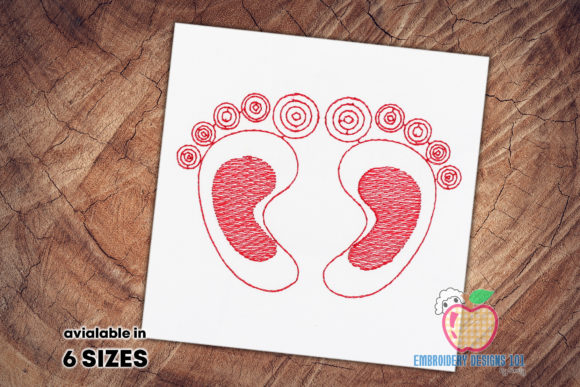
As an embroidery designer preparing for a weekend craft fair, my first task is to evaluate every design I intend to turn into products. Today, I'm reviewing the Newborn Baby Feet Quick Stitch. This adorable redwork embroidery is described as perfect for a variety of projects and fabrics, and aimed at creating meaningful gifts for new parents. My job is to see if it lives up to that promise on the sales floor.
The Immediate Appeal for Craft Fair Customers
The title alone tells me this is a soft, sentimental, and universally appealing design. In a bustling market booth, designs that evoke emotion and tell a clear story are what stop shoppers. This isn’t a bold, graphic statement; it’s a gentle, cute focal point. It speaks directly to the “Babies” category, hitting a perennial and powerful niche—new parents, grandparents, and friends looking for that special gift. The redwork style suggests a classic, slightly rustic charm, which pairs beautifully with the handmade quality I want my booth to project. It feels premium because its value is emotional.
Where This Design Stands Out on Products
My table display will feature a range of items: tote bags, aprons, tea towels, patches, caps, small pouches, pillow covers, and giftable handmade items. The Newborn Baby Feet Quick Stitch needs to find its best home.
Top Performers for Sales and Display
- Tea Towel Embroidery: This is a prime candidate. Kitchen towels are a staple craft fair product, and a sweet, small-scale design like this placed neatly in a corner creates a perfect, affordable gift. It photographs beautifully for Etsy listings and looks elegant in person.
- Embroidered Patches: This design would excel as a patch. Its clear, iconic imagery is easy to understand at a glance. Patches can be applied to baby blankets, diaper bags, or keepsake boxes, adding that handmade touch. They are also quick to produce in batches.
- Small Pouches & Pillow Covers: For a small fabric pouch or a delicate pillow cover for a nursery, this design works as a lovely accent. It’s not overly dense, so it should maintain clarity on softer fabrics.
- Tote Bag Design: On a market bag or simple tote, this could be charming as a smaller, secondary design element, perhaps paired with a name or date. As a large focal point on a bag, it might feel too subtle unless the bag is specifically baby-themed.
Considerations for Other Products
- Apron Embroidery: On an apron, this design would need placement context—maybe on a pocket or along the hem of a child-sized apron. On a full-size adult apron, it might look lost unless the apron is part of a “new parent” gift set.
- Caps: Embroidering on curved cap surfaces requires careful stabilizer use. The design’s likely small size could work, but tiny details must hold up. I’d need to test this on scrap fabric first.
- Booth Samples: Having one product, like a beautifully finished tea towel, featuring this design as a sample in my booth acts as a silent salesperson. It immediately attracts customers in the “Babies” mindset.
Practical Production for the Busy Maker
Turning a digital embroidery file into a stack of sellable craft fair products requires a practical eye. Here’s my evaluation for production.
Batch Production and Online Sales
This design appears simple and likely has manageable stitch counts, making it a good candidate for repeatable batch production. For my handmade shop, I need designs I can run reliably on multiple items. The emotional appeal also boosts perceived product value, allowing for a fair price point that reflects the handmade quality. For Etsy sellers and small shop owners, this design is excellent for printable mockups and design assets in listings—the theme is instantly clear, which is crucial for online customer attention.
Critical Designer Notes Before Hooping Anything
- Test on Scrap Fabric: Always, always test the machine embroidery design on the actual fabric you plan to use—whether it’s a textured towel, a dense tote bag canvas, or a soft pillow cotton.
- Check Thread Contrast: Redwork typically implies a single color, but contrast against the fabric is key. On dark fabric, it may lose impact. Compare fabric colors beforehand.
- Review Stitch Density & Details: Without knowing the exact file specs, I must inspect the stitch density on my test piece. Are there dense areas that might pucker on lightweight fabrics? Are tiny details, like toe lines, clear at the intended hoop size? Designs can lose clarity at smaller sizes.
- Use the Right Stabilizer: The fabric texture dictates the stabilizer. A kitchen towel needs a firm stabilizer to prevent distortion. A cap requires a flexible one.
- Create a Real Mockup: Before committing to a full production run, create at least one finished, high-quality product mockup. This confirms the visual appeal and helps plan booth display strength.
- Confirm Commercial Licensing: The product description states “This machine embroidery design comes w…”—I must confirm what it comes with. Before selling any finished products, I absolutely need to verify the commercial embroidery license terms for this digital embroidery file.
The Final Verdict for Your Craft Fair Booth
The Newborn Baby Feet Quick Stitch is a strong contender for a craft fair focused on gifts and heartfelt items. Its strength is in its direct emotional connection and classic aesthetic. It won’t be the loudest design on your table, but it will be the one that makes a customer smile and say, “My sister just had a baby.” It enhances product value through sentiment and supports brand consistency if your shop leans into family, home, or nursery themes.
To maximize buyer engagement, pair it with high-quality, practical items like tea towels or patches. Display it prominently among your baby-themed products. Its success hinges on excellent execution—clean stitches, perfect fabric choice, and professional finishing. For the creative entrepreneur looking to add a timeless, gift-ready option to their lineup, this design, with careful production, can be a quiet but powerful seller.