A Closer Look at the Smiling Cat Emoji Embroidery Design
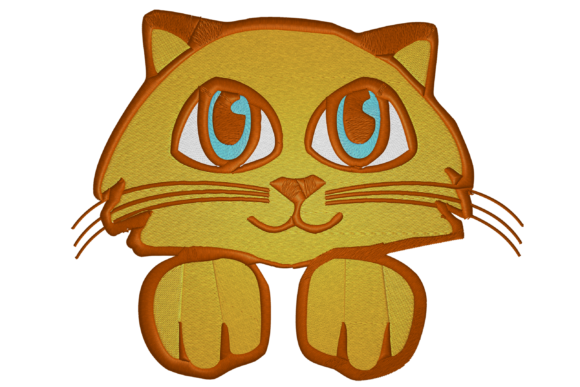
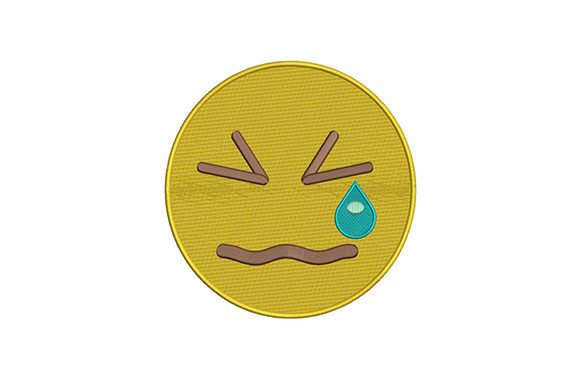
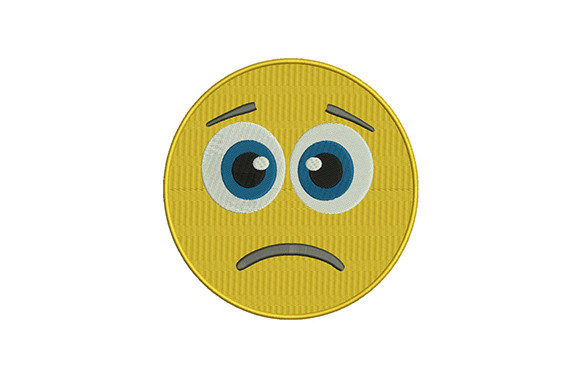
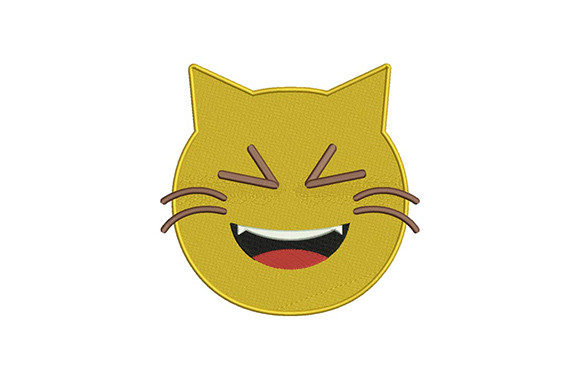
When a design file lands in my library, my first question isn't about its technical specs—it’s about its soul. What mood does it carry? What kind of project does it whisper it belongs to? Opening the Smiling Cat Emoji, that answer is immediate. This isn't a complex, detailed portrait; it's a burst of playful, friendly charm. The classic emoji shape, with those wide, cheerful eyes and that simple grinning mouth, translates perfectly into the language of stitch. It feels universally welcoming, a little nod of digital-age humor made tactile.
The Kind of Project This Design Is Asking For
I picture this design stitched onto a lightweight denim jacket for a teen, or as a sweet, unexpected detail on the corner of a canvas tote bag. It has that modern, casual vibe that works brilliantly for personalized gifts—think a set of kitchen towels for a cat-loving friend, or a single, smiling cat peeking from the cuff of a baby’s organic cotton sweater. For small business owners, especially those on Etsy or selling at craft fairs, this is a quick-win design. It’s instantly recognizable, emotionally positive, and it stitches up fast. That means you can offer a custom embroidered cap or a personalized pillow cover without a huge time investment, keeping your margins healthy and your product queue moving.
Where the Smiling Cat Emoji Shines in Real Stitching
In practical application, this design’s strength is its clarity. On a mid-weight cotton sweatshirt or a sturdy apron, those bold, smiling features will pop with clean satin stitch outlines and a solid fill stitch for the face. I’d lean towards bright, contrasting thread colors—a vibrant yellow for the face on a navy bag, for instance—to maximize that cheerful impact. It’s a fantastic candidate for a standalone embroidered patch, too. Stitch it onto felt with a good stabilizer, cut it out, and you have a ready-to-sell patch or an applique design element for a more complex project.
For holiday gifts or boutique merchandise, its simplicity is a gift. A single Smiling Cat Emoji on a tea towel or a linen pillow cover feels intentional and modern, not overcrowded. It elevates a simple item into a thoughtful, handmade presentation. In my experience, customers engage with this kind of clean, happy iconography—it’s easy to understand, it sparks a smile, and it feels contemporary. That directly boosts perceived product value for your craft business.
Where to Exercise a Bit of Caution
While the description suggests it will look great on any fabric, a professional’s instinct always adds nuance. On very thin or stretchy fabrics like fine t-shirts, the fill stitch area for the face could pose a slight puckering risk if the stitch density is high. Always, always test on a scrap of your intended fabric first. Similarly, on highly textured fabrics like some blankets, the smooth, rounded edges might lose a bit of definition. For dark fabric backgrounds, your thread color choice becomes critical—that yellow needs to be luminous enough to stand out without ghosting.
Also, consider scale. On a curved surface like a cap, especially a smaller hoop size, the design’s simple shape is actually an advantage, but you must ensure the file size you’re using is appropriate. Never assume; check the available hoop sizes in the embroidery file set. Tiny details aren’t a concern here, but the overall density is. For products destined for frequent washing, like baby clothes, ensure you’re using quality thread and adequate stabilizer during application so that cheerful smile lasts through many cycles.
Practical Notes Before You Hoop Your Fabric
My routine before committing any design to a final project involves a dry run. For the Smiling Cat Emoji, I’d stitch it out on a neutral scrap fabric first. This isn’t just about checking machine compatibility; it’s about seeing the physical result. How do the actual thread colors interact? Does the fill stitch look smooth? Is the satin stitch outline crisp? I’d also mock it up digitally, placing it on images of light and dark tote bags or sweatshirts, to visualize the final product. This step is invaluable for Etsy sellers creating printable mockups or for apparel decorators planning a production run.
A crucial, non-technical note: confirm the licensing. If you’re selling the finished product—the embroidered cap, the bag, the baby blanket—or using the design as a commercial embroidery asset for client work, you must know the terms. The description mentions it’s a machine embroidery design with multiple embroidery file formats, but the license for commercial use is separate information. Never proceed without that clarity; it protects your business and your customer’s trust.
The Final Impression: A Confident, Friendly Asset
After this kind of review, the Smiling Cat Emoji design stands out as a confident, friendly asset for makers. It doesn’t try to do too much, which is often the hallmark of the most useful designs. It brings a specific, upbeat mood to a project. It’s straightforward to execute with proper preparation, making it suitable for hobbyists creating personalized gifts and for creative entrepreneurs building their small shop product lines. Its visual personality is strong enough to carry a simple item but gentle enough not to overwhelm. In the end, a good embroidery design feels like a reliable partner for your ideas. This one, with its wide eyes and simple smile, seems ready to play that role on a thousand different fabrics, bringing a little bit of digital joy into the handmade world.