The Worried Emoji: A Designer’s Review for Market Success
As a professional embroidery designer preparing for a weekend craft fair, every design choice is a business decision. You’re not just stitching; you’re curating a product line that must grab attention, convey quality, and sell itself quickly on a crowded market table. Today, I’m reviewing the Worried Emoji embroidery design from that exact perspective. This is a judgment of its potential as a craft fair product, from first impression to practical production.
First Glance: Fun & Relatable Appeal
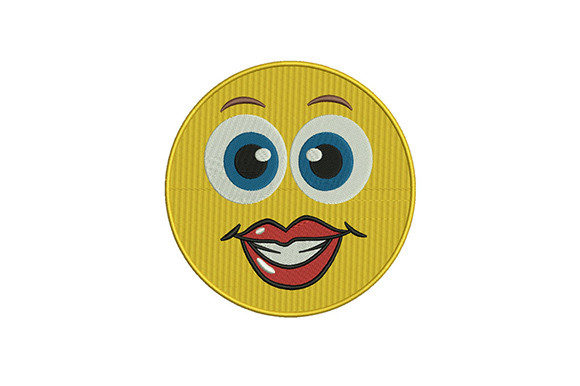
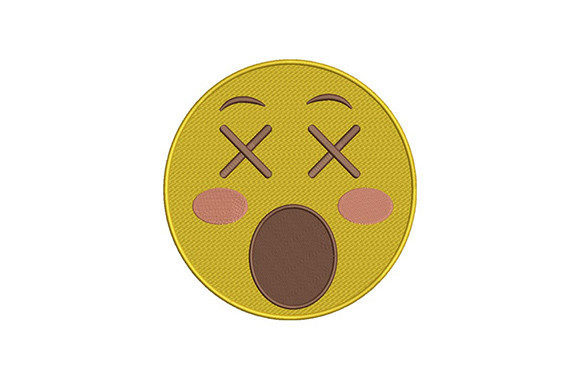
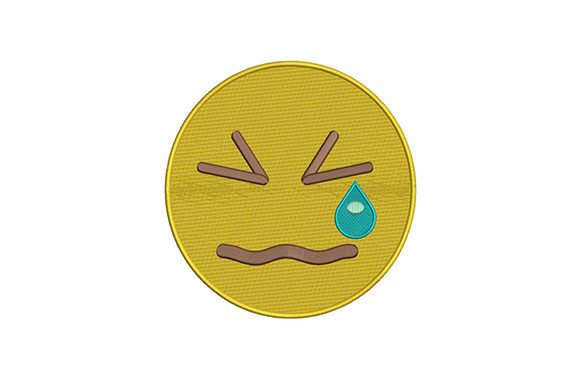
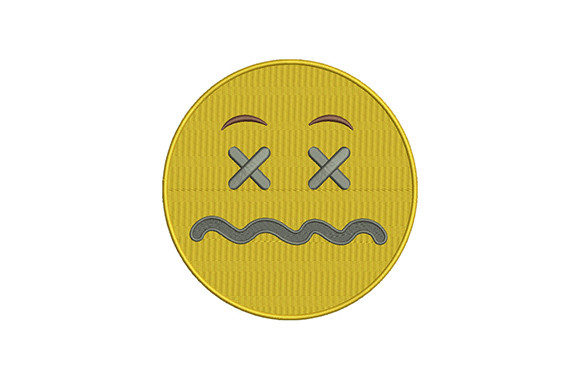
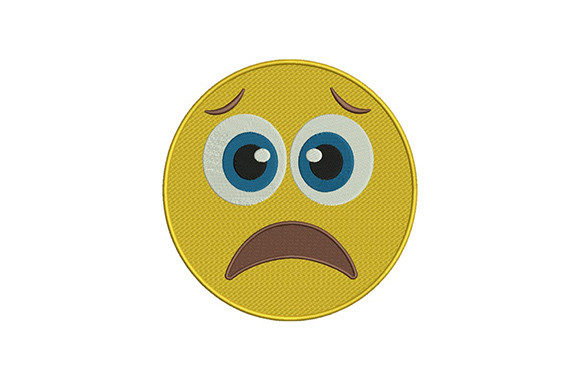
The Worried Emoji design immediately lands in the “fun” and “relatable” category. It’s not rustic, farmhouse, or elegant—it’s modern, humorous, and universally understood. This is its core strength. In a booth surrounded by handmade items, a familiar, expressive emoji acts as a visual shorthand. It communicates a mood instantly, making it perfect for Friends-centric gifts or light-hearted personal items. The emotional resonance is key; customers connect with it before they even touch the product.
Product Placement: Where It Shines on the Display Table
Your craft fair table is a stage. Let’s evaluate where the Worried Emoji would perform best.
- Tote Bags & Market Bags: A large, central placement on a canvas tote works wonderfully. The design is bold enough to be a focal point, and its humorous vibe makes a utilitarian bag feel personalized and fun.
- Aprons & Tea Towels: For kitchen textiles, consider a smaller, accent placement. On an apron pocket or the corner of a tea towel, it adds a charming, unexpected detail that elevates a simple handmade product.
- Embroidered Patches: This is a prime application. A Worried Emoji patch is highly versatile—it can be sold separately or applied to a product. Patches appeal to a broad audience and are quick to produce.
- Caps: The curved surface of a cap requires a robust, not overly dense design. Evaluate the stitch density carefully here; a simplified version might be needed for clarity on textured fabric.
- Pillow Covers & Small Pouches: As a decorative element on a pillow or pouch, it leans into the “giftable” category. It’s approachable and feels like a contemporary, handmade touch.
- Booth Samples & Mockups: Always create at least one real, physical mockup. A beautifully embroidered sample on a tea towel or tote bag is your most powerful sales tool. For your Etsy seller listings, this real product photo will outperform any printable mockup.
Practical Production & Selling Considerations
Turning a digital embroidery file into a profitable, batch-produced item requires a cold-eyed review of the process.
Design Clarity & Scale
The Worried Emoji relies on its iconic facial features. This means small details—like the specific curve of the eyebrows and mouth—must remain clear at your intended size. Test it on scrap fabric first at both a large and small scale. If you plan to use it as a small accent on a tea towel embroidery, ensure the expression doesn’t blur into a indistinct blob. Tiny details can lose definition, especially on textured towels or dark fabric where thread contrast is critical.
Stitch Density & Fabric Compatibility
Without knowing the exact stitch count, you must assess the design’s likely density. A very dense stitch area can be problematic on lightweight fabrics or items like caps, requiring heavier stabilizer and potentially affecting the fabric’s drape. Conversely, a lighter density might be perfect for apron embroidery or patches. Always use the right stabilizer for the fabric and product type. This step alone defines the perceived handmade quality.
Batch Production & Visual Consistency
For small shop product batches, the design should be repeatable without constant tweaking. Check the file for consistent spacing and clean paths. Does it require frequent thread color changes that slow down production? A smooth-running design allows you to efficiently create inventory for your fair booth or commercial embroidery line. Confirm the included embroidery file formats work seamlessly with your machine and intended hoop size.
The Booth Impact: Driving Customer Engagement
At the fair, your products must work together to create a cohesive brand story while also standing out individually.
The Worried Emoji contributes to booth display strength by adding a touch of humor and modernity. Among more serious or decorative items, it becomes a conversation starter. It attracts a different customer—perhaps someone looking for a lighthearted gift or a personal accessory. This diversity in your product line increases overall buyer engagement. When displayed effectively (think a row of embroidered patches featuring different emojis, or a tote bag prominently shown), it creates a recognizable, collectible feel.
Its visual appeal directly affects perceived product value. A crisp, well-executed embroidery with strong thread colors on a high-quality fabric (like a linen tea towel) feels premium. A poorly executed one, with puckering or unclear details, feels cheap. Your execution is everything.
Final Designer Notes & Essential Checks
Before you commit to producing a line of Worried Emoji products, complete these final steps.
- Create a Real Mockup: Embroider it on the actual fabric you plan to sell (e.g., canvas for a tote, linen for a towel). This reveals issues with fabric texture and color contrast you cannot see on screen.
- Review Thread Contrast: Test on both light and dark backgrounds. Does the expression pop? You may need to adjust thread colors for optimal clarity.
- Inspect Hoop Size & Stabilizer: Match the technical requirements to your product. A large tote bag design may need a different setup than a small patch.
- Confirm Licensing: The product description mentions it is a machine embroidery design with multiple formats. For selling finished products, you must confirm commercial licensing terms before any production begins. Do not assume.
- Photograph Your Sample: Use your best mockup for photography. Clean, bright photos showcasing the embroidery detail are crucial for online listings and print materials.
In conclusion, the Worried Emoji holds significant potential as a craft fair product. Its universal humor and bold, simple expression make it a quick-read design that can enhance a variety of items. Its success, however, is entirely dependent on your professional execution: appropriate scaling, mindful stitch density, flawless fabric choice, and crystal-clear licensing. Treat it as a serious craft fair product, not just a fun design asset, and it will likely become a reliable, engaging part of your handmade market offerings.