Raccoon Face Keyfob: A Designer's Review for Branded Merch
As an embroidery designer who regularly works with small businesses on their branded merchandise, I approach every new design with a practical eye. When considering the Image of Raccoon Face in the Hoop Keyfob for commercial use, my review is focused on how it translates from a digital embroidery file into real-world business assets.
First Impression: Playful & Handmade with Professional Potential
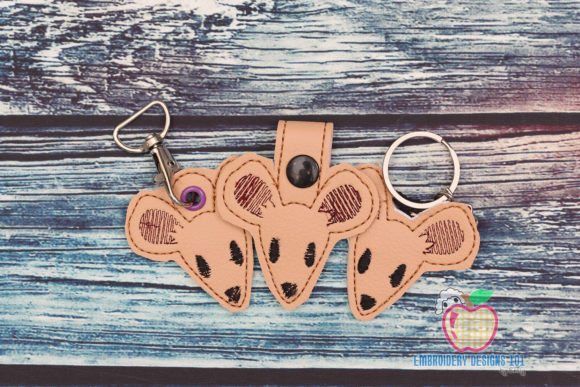
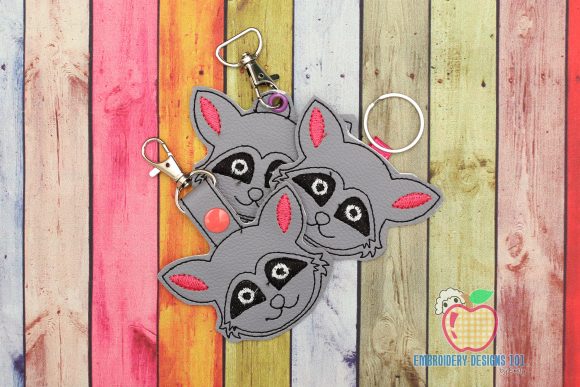
The Image of Raccoon Face in the Hoop Keyfob immediately presents a playful, rustic, and friendly character. The wild animal theme, specifically a raccoon, evokes a sense of nature, cleverness, and a touch of whimsy. For businesses like a boutique café, a pet brand, a creative studio, or a handmade shop, this visual personality can be a powerful asset. It doesn’t scream corporate; instead, it feels approachable and crafted, which aligns perfectly with the ethos of many small businesses. The fact that it’s an in-the-hoop design—including Snap Tab, Eyelet, and Ribbon versions—means the finished product is intended to be a complete, functional key fob, suggesting attention to practical application from the start.
Evaluating Real-World Business Applications
The true test of any embroidery design is how it performs across the myriad of items a small business might want to brand. Here’s how I see the Image of Raccoon Face in the Hoop Keyfob holding up.
As a Standalone Embroidered Patch
This is one of its strongest uses. The stated 4x4 hoop compatibility means the finished design is a manageable size. As an embroidered patch, it can be applied to staff uniforms, aprons, or tote bags with ease. For a local bakery or florist, this raccoon patch on an apron instantly creates a branded, cohesive look for staff. The keyfob format itself can be a finished merchandise product—a customer gift, event swag, or a small sale item in an Etsy shop. It’s a tangible brand ambassador.
For Apparel Decoration: Caps, Shirts, and Sleeves
While designed as a keyfob, the core raccoon face motif is ripe for adaptation. Its 4x4 size makes it suitable for cap fronts, provided the stitch density is checked for the curved surface. As a chest logo accent on work shirts or a sleeve detail on polo uniforms, it offers a recognizable brand mark without being overwhelming. Its playful nature can soften a uniform’s appearance, making staff feel more approachable.
Branding Product Packaging and Tote Bags
For product-based businesses, a small embroidered raccoon face can serve as a charming accent on packaging tags or as the main feature on reusable tote bags. This elevates a simple tote bag from a plain carrier to a branded, desirable item, increasing product value and customer engagement. The handmade presentation of embroidery adds a premium, artisanal feel compared to printed logos.
Strategic Considerations and Careful Use Cases
To ensure brand identity and professionalism are maintained, certain applications require careful planning.
The design should be tested at small sizes if intended for very small patches. While 4x4 is friendly, scaling down further to fit, for instance, on a petite product label might compromise the detail of the raccoon’s face. Always create a printable mockup first to visualize the final size.
On dark uniforms or fabrics, thread color contrast is paramount. The design’s effectiveness depends on a well-chosen color palette that pops against the background. Similarly, items destined for frequent washing, like aprons or work shirts, need robust construction with proper stabilizer to maintain the design’s integrity over time.
Its use on curved surfaces like caps demands a review of the stitch file’s density to prevent puckering. And finally, for visual consistency, compare the Image of Raccoon Face in the Hoop Keyfob beside your other brand assets—does it complement your logo, fonts, and overall aesthetic, or clash?
The Impact on Brand Identity and Customer Perception
Integrating this embroidery design into your merchandise strategy isn’t just about decoration; it’s about communication. A well-executed embroidered raccoon face on your merchandise conveys quality and care. It builds customer trust by showcasing a commitment to handmade details. It enhances recognition—a customer seeing that same raccoon face on your café’s apron, your tote bag, and as a keyfob gift creates a strong, memorable visual link.
This consistency across touchpoints—uniforms, merchandise, packaging—projects professionalism and a cohesive brand story. For a small business, these embroidered elements can significantly elevate the perceived value of your products and services, fostering deeper buyer engagement.
Practical Notes from the Embroidery Designer's Table
Before running any production for your business, here are my standard professional steps for a design like the Image of Raccoon Face in the Hoop Keyfob.
- Test in Black and White: First, stitch out the design on a scrap of your intended fabric. This reveals any issues with spacing, thread breaks, or density without wasting materials.
- Confirm Hoop Size & Fabric: While noted as 4x4 hoop friendly, always match the machine embroidery file to your specific hoop and test on the real fabric you’ll use (denim for caps, twill for bags, etc.). Fabric texture dramatically affects the final look.
- Use Proper Stabilizer: This is non-negotiable for commercial embroidery. The right stabilizer ensures the design looks crisp and lasts through wear and washing.
- Create a Mockup for Client Approval: If you’re an embroidery shop decorating for another business, a digital mockup of the design on a cap, apron, or tote is crucial for final approval before stitching.
- Check Commercial Licensing: The product description does not specify license terms. It is your responsibility to confirm that the digital embroidery file is cleared for commercial embroidery use before producing any business merchandise.
In conclusion, the Image of Raccoon Face in the Hoop Keyfob offers small businesses a versatile, characterful design asset with strong potential for branded patches, uniforms, and merchandise. Its playful, handmade aesthetic can forge a genuine connection with customers. Success, however, hinges on treating it as a professional design component: testing thoroughly, applying it strategically, and ensuring it aligns with and strengthens your overall brand identity.