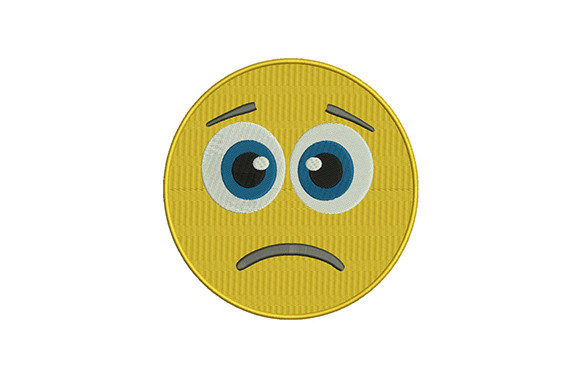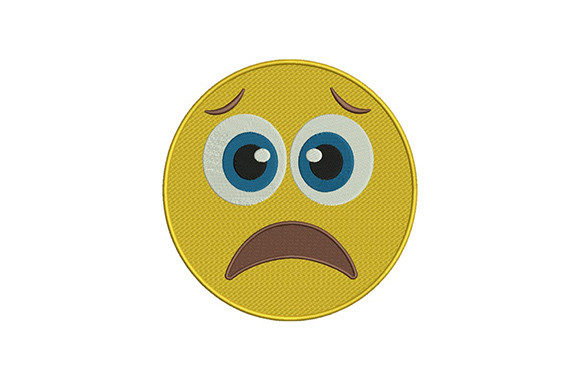
The Crying Emoji Embroidery Design: A Craft Fair Sales Review
As someone who designs and produces embroidered goods for handmade markets, I approach every new design with a craft fair mindset. My booth table is a real-world test: will this design sell? Today, I’m reviewing the Crying Emoji Design specifically for craft fair and small shop production. This is a practical evaluation of how this design performs on products, attracts customers, and stands up to batch embroidery.
First Impression: Emotionally Cute & Universally Recognizable
The Crying Emoji Design immediately lands in the cute and funny category, with a touch of modern, relatable character. It’s not rustic or elegant—it’s playful and emotional. This universal recognition is its biggest strength. At a busy craft fair, customers glance at a table and instantly understand the sentiment. For an Etsy seller or digital seller, this means the design communicates quickly in online listings, which is crucial for clicks and sales.
Where This Design Stands Out on the Booth Table
Imagine your display: tote bags, aprons, tea towels, patches, caps, and small pouches. The Crying Emoji Design works as an accent rather than a large focal piece. It’s perfect for adding a punch of personality to practical items. Here’s where I see it shining:
- Tote Bags & Market Bags: A single, well-placed emoji on the front or pocket adds quirky value. It turns a simple bag into a conversation piece.
- Tea Towels & Aprons: In the Friends or kitchen category, it’s humorous. A crying emoji on a tea towel is ironically funny about spilled coffee or a messy kitchen.
- Embroidered Patches: This is a prime product. Patches are low-cost to produce and high-margin. This design is ideal for a craft fair product as a standalone, iron-on patch for jackets or hats.
- Caps: On the curved surface of a cap, a small, centered emoji works well. It’s a trendy, youthful addition.
- Small Pouches & Pillow Covers: As a small-scale design on a pouch or a repeated pattern on a pillow, it becomes a giftable, handmade item with a lighthearted feel.
The key is product selection. This design won’t carry a minimalist, premium linen pillow by itself, but it elevates everyday, functional goods with humor and charm.
Practical Production & Selling Points
Turning this machine embroidery design into sellable products requires a practical check. The description notes it comes with multiple embroidery file formats, which is essential for different machines and commercial embroidery. As a designer, here’s my real-world checklist:
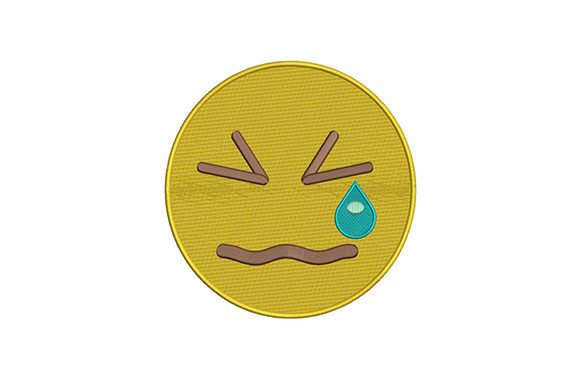
- Test on Scrap First: Always stitch the Crying Emoji Design on scrap fabric matching your final product material. Check for dense stitch areas—emoji tears and outlines might be compact. This affects stitch density and the needed stabilizer.
- Thread Contrast & Fabric Color: The design likely uses few thread colors, but contrast is vital. On dark fabric, you may need a brighter underlay or different color choices to keep it crisp.
- Hoop Size & Scaling: This design seems meant for smaller hoop sizes. Be cautious shrinking it too much for tiny items; the tears and facial details could lose clarity. Confirm the intended size from the file details.
- Batch Production Friendliness: The simple, recognizable shape makes it repeatable. You can efficiently embroider multiple tote bags or patches without complex color changes, boosting your small shop product output.
Careful-Use Notes for Specific Products
Not all fabrics are equal. On textured towels or thick canvas for tote bags, a slightly higher stitch density helps the design pop. For curved cap surfaces, use a good stabilizer to prevent puckering. When creating embroidered patches, ensure the edge stitches are secure. The design’s small lettering or tiny details (if any) should be reviewed on the actual stitch-out; they might need simplification for very small applications.
Visual Appeal & Customer Engagement at the Fair
This design affects your booth’s dynamics. Its emotional, cute nature attracts attention—people smile or relate. On a craft fair product like a patch or pouch, it feels personal and contemporary, adding perceived value without a high cost. It enhances handmade quality by showing precise, clean embroidery work. For brand consistency, if your shop is playful or youth-oriented, it fits perfectly. In a booth display, mixing products with this design (a crying emoji towel next to a matching apron) creates a thematic, engaging mini-collection that encourages multiple purchases.
Final Designer Notes Before You Stitch for Sale
My professional advice before you load this digital embroidery file and start producing:
- Create One Real Mockup: Don’t rely on printable mockups for your Etsy listings. Stitch it on one final product—a tote bag or tea towel—and photograph it. Real texture sells better online.
- Compare Fabric Colors: Test on light and dark fabrics to see how it performs for your planned product range.
- Confirm Commercial Licensing: The description mentions it can be used in multiple ways, but always verify the license explicitly allows selling the finished product at craft fairs or in your boutique. This is critical for creative entrepreneurs.
- Review File Formats: Ensure the provided embroidery file formats work with your machine for a smooth, error-free production run.
The Crying Emoji Design is a strong candidate for craft fair success. It’s quick to understand, emotionally engaging, and practical to embroider on a range of popular, sellable goods. By focusing on its strengths—as a cute accent on functional items—and carefully managing production details like stitch density and fabric choice, you can turn this simple machine embroidery design into a profitable, attention-grabbing part of your handmade market offerings.