Review: Happy Baby Elephant in Forest Redwork for Business
When a small business is looking to add embroidered branding to its merchandise, the design choice is critical. It’s not just about decoration; it’s about conveying your brand’s personality and building trust with customers. As an embroidery designer, I’ve been reviewing the Happy Baby Elephant in Forest Redwork design for its potential in commercial applications. This evaluation focuses on its real-world use for patches, apparel, and branded products.
First Impression: Friendly and Handmade Charm
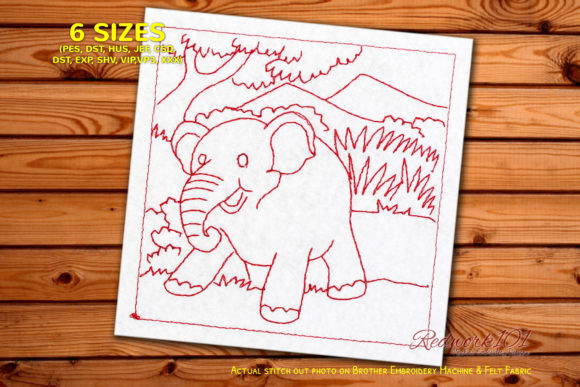
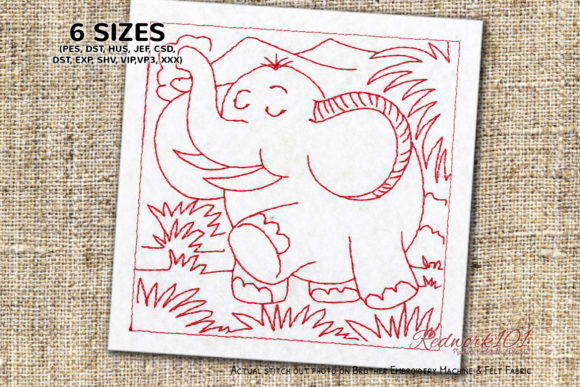
The initial feel of the Happy Baby Elephant in Forest Redwork is distinctly warm and approachable. The “Redwork” style, typically referring to outlines in a single color, gives it a classic, handcrafted aesthetic. This isn’t a sleek, corporate logo. It feels playful, gentle, and perfectly aligned with the Baby Animals category. For businesses like a children’s boutique, a family-friendly café, a creative studio, or a handmade pet brand, this visual personality hits the right note. It suggests care, happiness, and a touch of rustic charm that can make a brand feel more personal and genuine.
Performance in Real Business Applications
Let’s translate that charm into practical use. How does this machine embroidery design perform when stitched onto actual business merchandise?
Embroidery for Branded Patches and Uniforms
As an embroidered patch, this design offers strong potential. Its outlined, less densely filled nature means it can be sewn onto various fabrics without excessive stiffness. This makes it ideal for a custom apparel accent on staff uniforms, especially aprons for a bakery or café, or as a sleeve detail on work shirts. The friendly elephant can serve as a subtle brand mark that doesn’t overwhelm the garment.
Cap Embroidery and Tote Bag Design
For cap embroidery, the design’s simplicity is an advantage. On a curved cap front, a design with too much detail or high stitch density can distort. The cleaner lines of this Happy Baby Elephant in Forest Redwork should translate well, provided it is sized appropriately. Similarly, as a tote bag design, it creates a recognizable mark for a boutique or florist—a piece of small business merch that customers carry and associate with your brand.
Product Packaging and Boutique Merchandise
Beyond wearables, think of this as a handmade product accent. Stitched onto the corner of a product label for a handmade shop, or onto a small canvas bag, it adds perceived value and visual consistency. It’s perfect for customer gifts or event merch, reinforcing your brand’s story. For an Etsy seller or craft business, using this digital embroidery file to create branded items can deepen buyer engagement by offering something unique and thoughtfully designed.
Careful Considerations for Production
Like any embroidery file, successful application requires attention to detail. Here are key areas to evaluate before proceeding with commercial embroidery projects.
Scale and Fabric Compatibility
Always test this design at the intended size. If you plan a small patch for a product tag, ensure the elephant’s features and the forest elements remain clear when minimized. Hoop size and stabilizer choice are paramount. On textured or dark fabrics, the single-color (likely red) outline needs sufficient contrast. I advise running a test on your actual fabric texture, like a denim apron or a cotton cap, to see how the thread colors pop.
Design Integrity and Client Approval
Before production, create a printable mockup for client approval. Place the Happy Baby Elephant in Forest Redwork beside your other design assets to ensure visual harmony. Check the spacing within the design itself; clean outlines are forgiving, but tight corners might need adjustment. Crucially, as the product description notes, the “Stitch Box” shown may be optional and its color may vary. This is a technical element in the file that doesn’t affect the finished product, but you must confirm your machine settings to handle it correctly.
Impact on Brand Identity and Professionalism
Choosing this design isn’t just a decorative decision; it’s a branding one. For a small business, the Happy Baby Elephant in Forest Redwork can enhance brand identity by projecting a specific mood: welcoming, gentle, and crafted. This builds customer trust and recognition. When stitched neatly on a uniform or merchandise, it elevates the perceived professionalism and value of your products, signaling that you invest in quality details.
However, its handmade, playful style might not suit a tech company or a law firm. It’s perfect for businesses where warmth and creativity are central to their story. The consistency of using this mark across your small business merch—from aprons to tote bags—creates a cohesive visual language that customers remember.
Practical Designer Notes Before You Stitch
As a final checklist from the designer’s perspective:
- Test in black and white first. Viewing the design without color helps you assess its structural outline and potential issues at small sizes.
- Confirm commercial licensing. Before using this for business products, verify the license terms of the Happy Baby Elephant in Forest Redwork file. This is a must for any commercial embroidery.
- Match it to your production needs. If you intend it for items needing frequent washing, like work shirts, ensure the stitch structure is robust enough to withstand laundering.
- Use it as an accent, not a primary logo. Its illustrative nature makes it a fantastic secondary brand mark or decorative element on larger items.
In summary, the Happy Baby Elephant in Forest Redwork is a charming and commercially viable embroidery design for businesses targeting a family-friendly, handmade, or creative market. Its Redwork style offers production flexibility for patches, apparel, and merchandise. By testing thoroughly and integrating it thoughtfully into your brand’s visual assets, you can create professional, engaging products that tell your business’s story with a smile.