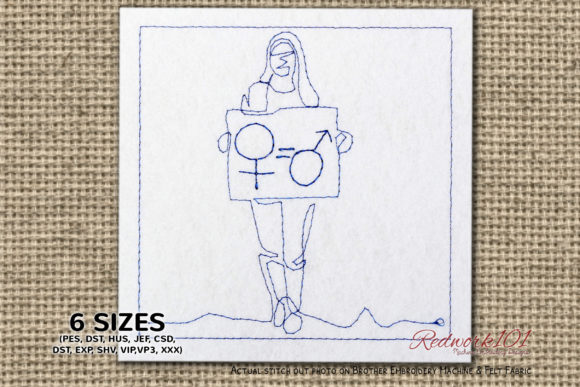
Feminism Lineart Embroidery: A Designer’s Practical Review
When browsing for a new embroidery design to add to my commercial and handmade product lineup, I’m always looking for files that balance aesthetic appeal with real-world stitching performance. I recently considered the Feminism Lineart embroidery design from Creative Fabrica for several upcoming projects. Here’s my honest evaluation from the perspective of someone who needs designs to work reliably on fabric, not just look good on screen.
First Impression: Visual Mood and Project Fit
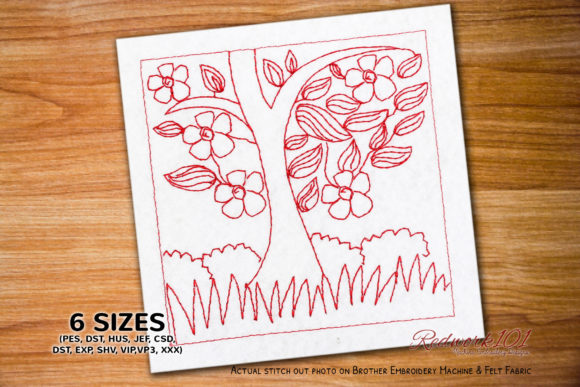
The Feminism Lineart design presents a clean, modern lineart style. Its visual mood is declarative yet artistic, making it suitable for projects where the message is central but doesn’t need to be overly bold or aggressive. The detail level appears moderate, relying on outlines and suggestive shapes rather than dense fill areas. This gives it a stitching personality that is likely precise and defined, not bulky or overly textured. Its decorative appeal leans toward contemporary handmade goods, boutique merchandise, and thoughtful personalized gifts.
Naturally, this embroidery file fits projects where awareness and a clear statement are part of the product’s value. I immediately thought of custom apparel like sweatshirts and tote bags, as well as home decor items like pillow covers or kitchen towels for a thoughtful touch. It could also translate well into embroidered patches or nursery decor for a modern, empowered theme.
Performance in Real Embroidery Work
For any embroidery designer or small business owner, the digital embroidery file must perform under the needle. When envisioning Feminism Lineart on real products, several considerations come to mind.
Considering Fabric and Application
The design’s lineart nature suggests it might handle various fabrics well. On stable materials like canvas for tote bags or cotton for aprons, the stitches should hold their definition. For stretchy fabric like sweatshirts, careful stabilizer choice will be key to prevent distortion of the fine lines. On curved surfaces like caps, the potential for small, intricate details requires checking the design’s adaptability to the curve. Given the Awareness category, many end-products like baby blankets or items needing frequent washing must retain their integrity; a well-digitized file with appropriate stitch density is crucial here.
Dark fabric presents a specific challenge for any design. For Feminism Lineart, I would strongly advise creating a test stitch on scrap fabric to check thread color contrast. A light thread on a dark background would likely make this design pop, but you must ensure the stitch details remain crisp and don’t get lost.
Scale and Detail Integrity
A major practical point is hoop size and the scale of small elements. Without knowing the exact specifications from the product page, my standard practice is to always confirm the hoop size and examine the file details in my software before committing to a project. Tiny lettering or very fine lines can become problematic if the design is scaled too small or if the stitch density is too high, causing puckering. For Etsy listings or craft fair products where presentation is paramount, inspecting small details after a test stitch is non-negotiable.
Affecting Product Value and Customer Engagement
Using a design like Feminism Lineart isn’t just about stitching; it’s about the final product’s story and appeal.
Enhancing Handmade Presentation and Trust
A well-executed embroidery file elevates a handmade product. When this design is stitched cleanly, it adds a layer of sophistication and intention to an item. For Etsy sellers and creative entrepreneurs, this enhances buyer trust—the customer sees a professional, thoughtful application. The visual appeal is modern and uncluttered, which can aid in product photography and creating printable mockups for your shop listings.
For brand consistency, if your shop focuses on empowerment or contemporary gifts, this design can be a cohesive asset. Its giftability is high for the right recipient, turning a simple tote bag or baby item into a meaningful custom apparel piece.
Commercial Embroidery Considerations
For commercial embroidery projects or apparel decorators, the reliability of the file is paramount. You need to know it will stitch out efficiently without excessive thread changes or jump stitches. Again, I must stress the importance of reviewing the product details on Creative Fabrica for specific information on stitch count, file formats, and machine compatibility before using it in a paid customer order. The licensing terms for selling finished items should also be clearly understood from the Creative Fabrica product page.
Practical Embroidery Notes Before You Stitch
Based on my experience, here is a quick list of steps I would take before using Feminism Lineart in a real project.
- Always stitch a test on scrap fabric of the same type as your final product (e.g., towel fabric for a kitchen towel, fleece for a baby blanket).
- Check thread color contrast for both light and dark fabric backgrounds. Create mockups in your software if possible.
- Review the stitch density in your embroidery software to ensure it’s suitable for your chosen fabric—too dense can cause stiffness on drapey fabrics.
- Confirm the minimum and maximum hoop size the design allows for your intended project scale.
- Use the proper stabilizer. For stretchy fabrics or items like caps, a firmer stabilizer might be necessary to hold fine lines.
- After stitching, inspect all small details and lettering for clarity and any potential thread breaks.
- Finally, always double-check the file details and licensing information on the Creative Fabrica embroidery product page itself before selling any finished items. This ensures you are using the design correctly and within the terms.
Is Feminism Lineart Worth Using?
From a professional embroidery designer’s standpoint, Feminism Lineart has promising visual appeal for a range of awareness-themed products. Its lineart style suggests it could be versatile and produce clean, modern results on everything from patches to pillow covers. However, its true worth depends entirely on its real-world digitization quality—something you can only assess by checking the product specifications and doing your own test stitch.
For handmade shop owners, Etsy sellers, and crafters looking for a design with a clear message and contemporary feel, it’s certainly a candidate. But the practical embroidery notes above are not just suggestions; they are essential steps. A design like this can boost your product’s value and customer engagement only if it stitches out perfectly. My final advice is to approach it as you would any new digital embroidery file: with careful preparation, testing, and a thorough review of the source information from Creative Fabrica.